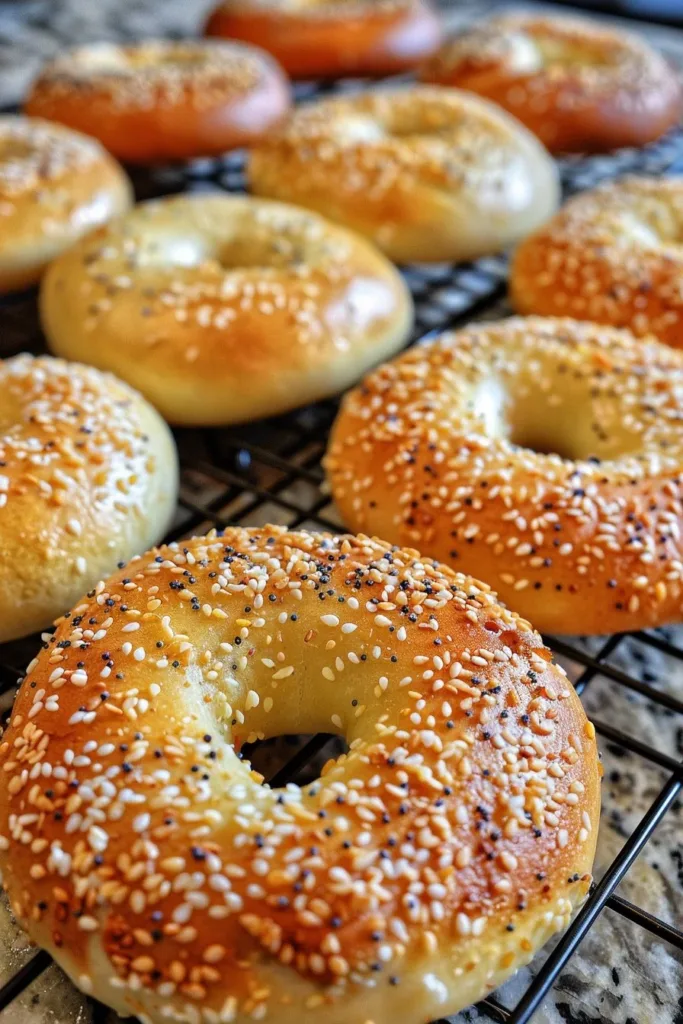
Have you ever wondered what it feels like to bite into a freshly baked, homemade bagel? The crisp exterior gives way to a chewy, warm interior that just begs for cream cheese or your favorite spread. There’s something so satisfying about making bagels from scratch, and today, I’ll guide you through the delightful process of whipping up your own batch of homemade bagels. This self-made goodness not only promises freshness but also a nostalgic connection to those classic New York-style bagels that many of us crave.
Ingredients
To make your delicious homemade bagels, you’ll need to gather these ingredients:
- 4 cups all-purpose flour
- 1 tablespoon sugar
- 2 teaspoons salt
- 1 packet (2 ¼ teaspoons) active dry yeast
- 1 ½ cups warm water (about 110°F)
- 1 tablespoon vegetable oil
- Optional toppings: sesame seeds, poppy seeds, or everything bagel seasoning
- For boiling: 2 tablespoons baking soda and 1 tablespoon sugar dissolved in water
Feel free to mix things up! You can swap all-purpose flour for whole wheat or bread flour for different textures, or even add spices like garlic powder or onion powder for additional flavor.
Timing
Before diving in, let’s talk about timing. You’ll need about 20 minutes for preparation and about 30 minutes for baking, with an additional hour for the dough to rise. So, in total, you’re looking at around 1 hour and 50 minutes from start to finish. However, the actual hands-on time is much less, making this a fun and engaging weekend project without taking up your entire day.
How to Make Homemade Bagels
Creating homemade bagels is simpler than you might think! Here’s how to do it step-by-step:
Step 1: In a bowl, combine 1 ½ cups of warm water with the sugar and yeast. Let this mixture sit for about 5-10 minutes, or until it becomes frothy. This indicates that the yeast is active and ready to work its magic.
Step 2: In a large mixing bowl, whisk together the flour and salt. Once the yeast mixture is frothy, grab your wooden spoon and slowly pour it into the flour mixture, stirring until a rough dough begins to form.
Step 3: Knead the dough on a lightly floured surface for about 8-10 minutes until it’s smooth and elastic. If you have a stand mixer, you can use the dough hook attachment – mix on low speed for about 5 minutes.
Step 4: Form the dough into a ball and place it in a lightly oiled bowl. Cover the bowl with a clean towel or plastic wrap, and let it rise in a warm spot for about an hour or until it has doubled in size.
Step 5: Once your dough has risen, punch it down to release any trapped air. Prepare a baking sheet by lining it with parchment paper. Preheat your oven to 425°F.
Step 6: Divide the dough into 10 equal pieces. Roll each piece into a ball, then poke a hole through the center with your finger. Stretch the hole until it’s about 2 inches in diameter. Place each shaped bagel on the prepared baking sheet.
Step 7: Bring a large pot of water to a boil and add the baking soda and sugar mixture. Once boiling, drop in a few bagels at a time, boiling them for about 1 minute on each side. Remove them with a slotted spoon and return them to the baking sheet.
Step 8: For an extra crunch and flavor, sprinkle your desired toppings over the bagels before popping them into the oven. Bake for about 20-25 minutes or until they are golden brown.
Step 9: Allow the bagels to cool for a few minutes before slicing and enjoy!
Healthier Alternatives if needed
If you’re looking to make your bagels healthier or accommodate specific diets, consider these alternatives:
- Vegetarian/Vegan: Substitute regular sugar with coconut sugar and avoid honey (if used in recipes).
- Low-carb/Keto: Use almond flour or coconut flour instead of regular flour for a low-carb version, acknowledging that texture will vary.
- Gluten-Free: To make gluten-free bagels, utilize a gluten-free flour blend, but remember that the technique might slightly differ.
Serving Suggestions
Bagels are incredibly versatile! They pair wonderfully with various toppings and spreads. A classic cream cheese spread is always a hit, but why not get creative? Try adding smoked salmon, capers, or thinly sliced cucumbers for a refreshing twist. For a sweeter option, spread on some peanut butter or fruit preserves. Serve them warm with a side of tomato soup or a fresh green salad for a well-rounded meal.
Common Mistakes to Avoid
Baking homemade bagels can be simple, but there are pitfalls to watch out for:
- Dough Too Sticky: If your dough is overly sticky, add flour gradually until it becomes manageable. Too little flour leads to dense bagels.
- Underboiling: Skipping or shortening the boiling step can result in bagels that don’t achieve that characteristic chewiness.
- Overbaking: Keep an eye on your bagels during baking. Every oven is different; they might need a bit less or a few more minutes than the recipe states.
Storage Tips
Once your homemade bagels are fully cooled, they can be stored in several ways. For short-term storage, keep them in an airtight container at room temperature for about 2-3 days. If you’re hoping to save them for later, freeze them in a freezer-safe bag, where they can last for up to 3 months. To enjoy them, simply pop them in the toaster or oven to refresh and warm them up, bringing back that fresh-baked taste.
Print
Homemade Bagels
- Total Time: 110 minutes
- Yield: 10 servings 1x
Description
Delicious homemade bagels with a crisp exterior and chewy interior, perfect with cream cheese or your favorite spread.
Ingredients
- 4 cups all-purpose flour
- 1 tablespoon sugar
- 2 teaspoons salt
- 1 packet (2 ¼ teaspoons) active dry yeast
- 1 ½ cups warm water (about 110°F)
- 1 tablespoon vegetable oil
- Optional toppings: sesame seeds, poppy seeds, or everything bagel seasoning
- For boiling: 2 tablespoons baking soda and 1 tablespoon sugar dissolved in water
Instructions
- Combine 1 ½ cups of warm water with the sugar and yeast in a bowl. Let this mixture sit for about 5-10 minutes, or until frothy.
- Whisk together the flour and salt in a large mixing bowl. Once the yeast mixture is frothy, slowly pour it into the flour mixture, stirring until a rough dough forms.
- Knead the dough on a lightly floured surface for about 8-10 minutes until smooth and elastic.
- Form the dough into a ball and place it in a lightly oiled bowl. Cover and let it rise in a warm spot for about an hour or until doubled in size.
- Punch down the risen dough to release trapped air. Prepare a baking sheet lined with parchment paper and preheat your oven to 425°F.
- Divide the dough into 10 equal pieces. Roll each into a ball, poke a hole through the center, and stretch it to about 2 inches in diameter.
- Boil water in a large pot and add the baking soda and sugar. Drop in bagels, boiling for about 1 minute on each side, then remove with a slotted spoon.
- Sprinkle toppings over the boiled bagels before baking. Bake for about 20-25 minutes or until golden brown.
- Cool the bagels for a few minutes before slicing and enjoy!
Notes
To achieve a shiny bagel crust, boiling is crucial. Experiment with different flours or toppings for variety.
- Prep Time: 20 minutes
- Cook Time: 30 minutes
- Category: Breakfast
- Method: Baking
- Cuisine: American
Nutrition
- Serving Size: 1 bagel
- Calories: 250
- Sugar: 3g
- Sodium: 320mg
- Fat: 2g
- Saturated Fat: 0g
- Unsaturated Fat: 2g
- Trans Fat: 0g
- Carbohydrates: 50g
- Fiber: 2g
- Protein: 9g
- Cholesterol: 0mg
FAQs
Can I use instant yeast instead of active dry yeast?
Yes, you can use instant yeast in place of active dry yeast — just mix it directly into the flour without needing to activate it first.
How can I achieve that shiny bagel crust?
Boiling the bagels before baking is crucial to achieving that shiny, crispy exterior. Adding baking soda to the boiling water enhances this effect.
How much dough should I use for each bagel?
Each bagel should contain about 3.5 ounces or 100 grams of dough for a perfect size. Adjust accordingly based on your preference.
Can I make bagels ahead of time?
Absolutely! You can prepare the bagels up to the boiling step, then refrigerate them overnight. Boil and bake them fresh the next day.
What if my dough won’t rise?
If your dough isn’t rising, it could be due to inactive yeast or a too-cool environment. Ensure your yeast is fresh and find a warm, draft-free spot for the dough to rise.
Conclusion
Making homemade bagels is a rewarding adventure that brings the nostalgia and taste of your favorite bakery right into your kitchen. Not only do you get to control the flavors and ingredients, but you also get to impress family and friends with your baking prowess. So, why not roll up your sleeves and give it a try? You may find yourself making these more often than you thought!