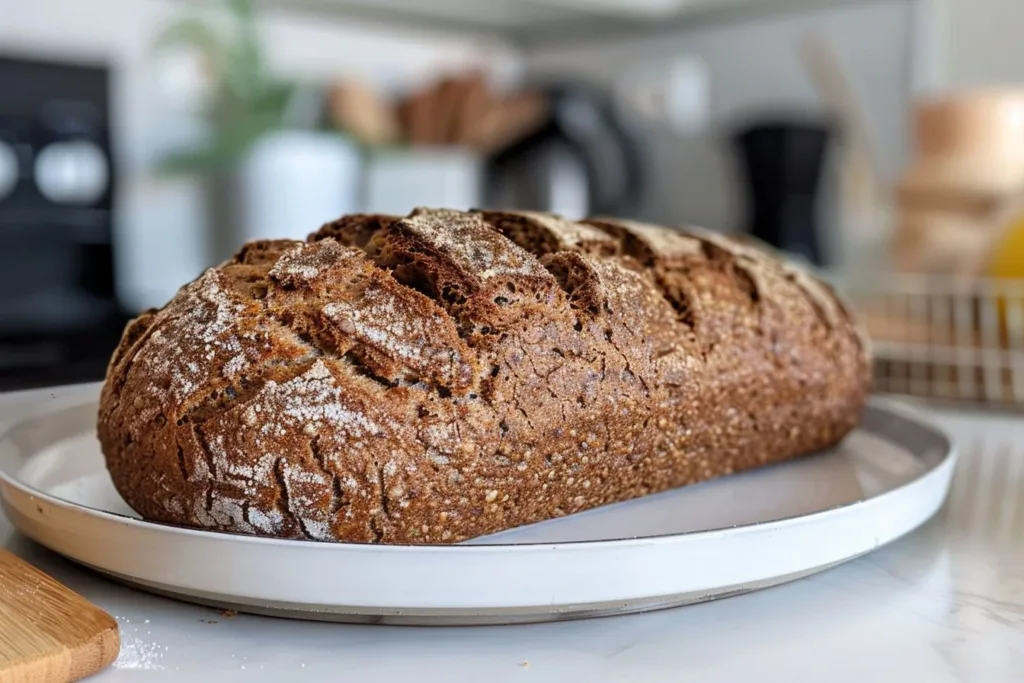
There’s something magical about the scent of freshly baked bread wafting through your home, isn’t there? Imagine the inviting aroma of Traditional Swedish Limpa Bread, a delightful loaf infused with spices and a hint of sweetness—perfect for any occasion. This unique bread combines a rich heritage with modern baking techniques, making it a must-try for both seasoned bakers and curious newcomers alike. Ready to embark on a culinary journey straight to Sweden? Let’s dive in!
Ingredients
To make the most delicious Traditional Swedish Limpa Bread, gather the following ingredients:
- 4 cups all-purpose flour
- 1 cup whole wheat flour
- 1 ½ teaspoons active dry yeast
- 1 ½ cups warm water (about 110°F)
- ¼ cup molasses or brown sugar
- 2 tablespoons vegetable oil (or melted butter)
- 1 teaspoon salt
- 1 teaspoon ground caraway seeds
- 1 teaspoon ground anise seeds
- 1 teaspoon ground coriander
- Optional: 1 tablespoon orange zest for a hint of freshness
Substitutions
If you need to adjust for dietary preferences, consider these swaps:
- Whole wheat flour can be replaced with spelt flour for a nuttier flavor.
- Molasses can be substituted with honey or maple syrup, though it will change the flavor profile slightly.
- For a gluten-free version, use a gluten-free all-purpose flour blend, ensuring you add a binding agent like xanthan gum.
Timing
Getting your Limpa Bread ready is an enjoyable process that takes a little time but is worth every minute.
- Prep Time: 20 minutes
- Resting Time: 1 hour (for the dough to rise)
- Cooking Time: 30-35 minutes
- Total Time: About 1 hour and 55 minutes, including hands-on time and rising.
This bread is perfect for a leisurely weekend baking session when you can savor the process, and your home will thank you for it!
How to Make Traditional Swedish Limpa Bread
Making Traditional Swedish Limpa Bread is a rewarding experience. Here’s how to do it step-by-step with practical tips to ensure success.
Step 1: Start by dissolving the active dry yeast in the warm water in a bowl. Stir in the molasses (or brown sugar) until fully dissolved. Let it sit for about 5-10 minutes until it becomes frothy, which means your yeast is active.
Step 2: In a large mixing bowl, combine the all-purpose flour, whole wheat flour, salt, and spices (caraway, anise, and coriander). Mix thoroughly to distribute the spices evenly throughout the flour.
Step 3: Once the yeast mixture is frothy, add the oil and the flour mixture. Stir with a wooden spoon until a shaggy dough begins to form. If it feels too sticky, add a little more flour, a tablespoon at a time, until it’s manageable.
Step 4: Transfer the dough to a floured work surface and knead for 8-10 minutes, or until it’s smooth and elastic. If you’re new to kneading, remember to use the heel of your hands to push the dough away from you, fold it back, and rotate it often.
Step 5: Form the kneaded dough into a ball and place it in a lightly greased bowl. Cover it with a damp cloth or plastic wrap, and let it rise in a warm, draft-free place for about 1 hour, or until it has doubled in size.
Step 6: After rising, punch down the dough to release the air, then shape it into a loaf or divide it into smaller pieces for individual rolls. Place shaped dough into a greased loaf pan or on a baking sheet lined with parchment paper.
Step 7: Cover the dough again and let it rise for another 30 minutes, allowing it to puff up. During this time, preheat your oven to 375°F (190°C).
Step 8: Once your dough has risen, bake it in the preheated oven for about 30-35 minutes. The bread is done when it sounds hollow when tapped on the bottom. If you have a kitchen thermometer, the internal temperature should read around 190°F (88°C).
Step 9: Once baked, remove it from the oven and let it cool on a wire rack. This cooling step is essential so it doesn’t become gummy.
Healthier Alternatives
For those looking to make healthier choices, consider the following ingredient swaps:
- Use whole grain flour instead of all-purpose to boost fiber content.
- Swap out some of the sugar with mashed bananas or unsweetened applesauce for natural sweetness.
- Mixing in seeds, like flaxseeds or sunflower seeds, can enhance the nutritional value and add a lovely crunch.
Serving Suggestions
Limpa Bread is versatile and pairs wonderfully with various dishes. Try these creative serving ideas:
- Spread softened butter or a sweetened cream cheese on warm slices for a delightful breakfast.
- Use it for a crowd-pleasing sandwich, pairing it with turkey, lettuce, and a bit of mustard.
- Serve with your favorite soup or salad for a hearty lunch.
- Enhance your presentation by cutting the bread into unique shapes or toasting it lightly before serving for an elegant touch.
Common Mistakes to Avoid
To ensure a successful bake, steer clear of these pitfalls:
- Too much flour: Adding flour too liberally can make the bread dense. Always add flour gradually.
- Not proofing yeast properly: If your yeast doesn’t bubble after mixing with warm water, it’s likely inactive, and you should start over with fresh yeast.
- Skipping the second rise: This final rise is crucial for a soft, light texture. Don’t rush this step.
Storage Tips
Proper storage can extend the life of your Limpa Bread:
- Refrigerator: Wrap the cooled bread tightly in plastic wrap or foil and store it in the fridge for up to a week.
- Freezer: For longer storage, slice the bread and freeze it in an airtight container or freezer bag for up to three months. Just remember to let it cool completely before freezing.
- Reheating: To refresh bread, pop slices in a toaster, or wrap the whole loaf in foil and place it in the oven at 350°F (175°C) for about 10-15 minutes.
Traditional Swedish Limpa Bread
- Total Time: 115 minutes
- Yield: 1 loaf 1x
Description
A delightful loaf of Traditional Swedish Limpa Bread infused with spices and a hint of sweetness, perfect for any occasion.
Ingredients
- 4 cups all-purpose flour
- 1 cup whole wheat flour
- 1 ½ teaspoons active dry yeast
- 1 ½ cups warm water (about 110°F)
- ¼ cup molasses or brown sugar
- 2 tablespoons vegetable oil (or melted butter)
- 1 teaspoon salt
- 1 teaspoon ground caraway seeds
- 1 teaspoon ground anise seeds
- 1 teaspoon ground coriander
- Optional: 1 tablespoon orange zest
Instructions
- Dissolve the active dry yeast in warm water in a bowl. Stir in molasses until fully dissolved. Let it sit for about 5-10 minutes until frothy.
- Combine the all-purpose flour, whole wheat flour, salt, and spices in a large mixing bowl. Mix thoroughly.
- Add the yeast mixture and oil to the flour mixture. Stir until a shaggy dough begins to form.
- Transfer the dough to a floured surface and knead for 8-10 minutes until smooth and elastic.
- Form the dough into a ball and place it in a greased bowl. Cover with a damp cloth and let it rise for about 1 hour.
- Punch down the dough and shape it into a loaf or rolls. Place shaped dough into a greased loaf pan or on a baking sheet.
- Cover again and let it rise for another 30 minutes while preheating your oven to 375°F (190°C).
- Bake in the preheated oven for about 30-35 minutes until it sounds hollow when tapped.
- Cool on a wire rack before slicing.
Notes
For healthier options, use whole grain flour and consider swapping some sugar with mashed bananas.
- Prep Time: 20 minutes
- Cook Time: 35 minutes
- Category: Bread
- Method: Baking
- Cuisine: Swedish
Nutrition
- Serving Size: 1 slice
- Calories: 180
- Sugar: 8g
- Sodium: 320mg
- Fat: 4g
- Saturated Fat: 1g
- Unsaturated Fat: 3g
- Trans Fat: 0g
- Carbohydrates: 30g
- Fiber: 4g
- Protein: 7g
- Cholesterol: 0mg
FAQs
What is Limpa Bread typically served with?
Limpa Bread is often enjoyed with butter, cheese, or used as a base for sandwiches. It pairs beautifully with hearty soups and stews, enhancing your meal experience.
Can I use bread flour instead of all-purpose flour?
Yes, you can absolutely use bread flour. However, the texture might be slightly chewier, which can be delightful if you’re looking for a sturdier loaf.
How do I know when the bread is done baking?
The best way to check for doneness is to tap the bottom of the loaf—if it sounds hollow, it’s ready. Alternatively, use a thermometer to check for an internal temperature of 190°F.
Can I add nuts or seeds to the dough?
Absolutely! Adding seeds like sunflower or pumpkin can enhance the texture and flavor. Just be sure not to overload the dough, as it may affect the rise.
Is this recipe suitable for beginners?
Yes! This recipe breaks down the process into simple, clear steps, making it accessible even if you’re just starting out in the world of baking. Don’t shy away; you’ll impress family and friends with your artisanal loaf!
Conclusion
Traditional Swedish Limpa Bread, with its unique blend of spices and sweet undertones, is not just a recipe; it’s an experience steeped in culture and flavor. From breakfast to dessert, this versatile bread can elevate any meal. So why not try making it at home? The delightful aroma, the warm, soft texture, and, of course, the delicious taste await you in your own kitchen.
If you enjoyed making this bread, be sure to check out our other recipes and find your next culinary adventure.